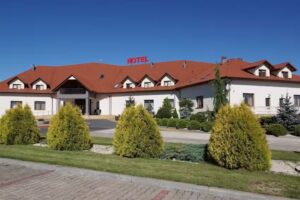
Student and Worker Hotel
BackIn Warsaw, at 180 Chełmżyńska Street in the Rembertów district, there once operated a facility that was a significant landmark on the capital's budget accommodation map – the Student Worker's Hotel. Today, checking this address reveals a permanent closure. Although the hotel no longer accepts guests, its history and characteristics shed light on a specific market segment: budget accommodation for workers and students. Analyzing what it offered and how it was perceived offers valuable lessons for both those looking to save money and operators of similar facilities.
Property features: Accommodation for budget-conscious travelers
The Student Workers' Hotel, as its name suggests, targeted two specific demographic groups: students studying in Warsaw and employees assigned to work in the capital, often performing manual labor. For these individuals, luxury hotels or designer vacation apartments are financially and practically out of reach. Low price, functionality, and a convenient location to work or university become key. This facility sought to meet these basic needs by offering simple yet practical accommodations .
According to available information from archived offers, the hotel offered a diverse range of accommodations. Dormitories were available, with rooms for 2, 3, 4, and even 5 people. This configuration is typical of hostel- or albergue-style properties, where the goal is to maximize the number of beds while maintaining the lowest possible price per person. This solution, while inconvenient for those who value privacy, is acceptable for those who spend only nights at the property, devoting their days to work or study.
Amenities – standard in the minimum version
The standard offered by the Student Workers' Hotel was commensurate with its economical nature. Instead of private bathrooms in each room, guests had access to communal bathrooms. The kitchens were similarly organized – shared, fully equipped spaces where guests could prepare their own meals. This was another factor that reduced the cost of their stay, eliminating the need to eat out.
Despite its austere character, the property strived to provide some basic amenities to make extended stays more enjoyable. These included:
- A common room with a TV, serving as an integration center.
- Access to wireless Internet (Wi-Fi), which is now standard even in the cheapest facilities.
- Parking on the property, which was a significant advantage for guests with cars.
- The possibility of grilling – a small addition allowing you to relax after a hard day's work.
This type of hospedaje doesn't aspire to be a luxury resort or elegant villa . Its strengths lie in functionality and affordability, not aesthetics or the abundance of recreational opportunities found in resort -type properties.
Reputation in the eyes of guests: A voice of criticism
The most telling testimony to the hotel's reception comes from guest reviews. In the case of the Student Workers' Hotel, information is extremely limited, yet very specific. A single rating can be found online – one star out of five. This is accompanied by a terse comment from a former guest who stated: "This isn't the best option."
Although this is just one review, combined with the lowest possible rating, it's food for thought. In the budget accommodation segment, customers typically have lower expectations. They don't expect the luxuries of expensive hotels or the privacy of a rental property . However, if the property received such a harsh assessment, even with such a low threshold of requirements, there must have been serious shortcomings. What could the criticism be about? The most common issues in these types of accommodations include:
- Cleanliness Issues: Maintaining cleanliness in common areas like kitchens and bathrooms is a huge challenge when traffic is high. Neglect in this area is a common cause of complaints.
- Technical condition: Worn-out equipment, faulty installations or a general impression of neglect can effectively discourage guests.
- Security: Theft or feeling unsafe in dorm rooms is another important factor.
- Noise and Atmosphere: Workplace facilities can be noisy, and conflicts between tenants can be disruptive.
The comment "not the best option" suggests that even in its budget category, there were alternatives in Warsaw that offered better value for money. Perhaps other hostels or private accommodations offered a higher standard for a similar price.
Location and market context
The hotel was located in Rembertów, a district a short distance from the center of Warsaw. This location had its advantages and disadvantages. On the one hand, it meant lower land and operating costs, which translated into competitive accommodation prices. On the other, for many people, getting to the city center could be time-consuming. However, for manual workers working on construction projects on the outskirts of the city, this location could be optimal. This facility did not compete with the charming inns or taverns outside the city, which offered a completely different kind of experience. It was a typical urban albergue , whose sole purpose was to provide a roof over one's head.
The permanent closure of the Student Workers' Hotel is part of a broader trend in the real estate market. Rising maintenance costs, pressure to improve standards even in the most affordable properties, and growing competition are causing many such establishments to disappear from the map. Perhaps the low ratings and resulting poor reputation contributed to the lack of profitability and the ultimate decision to close the business.
Summary: The heritage of the facility at Chełmżyńska 180
The Student Workers' Hotel at 180 Chełmżyńska Street was an example of an offer tailored to the needs of those on a very limited budget. It offered basic accommodations without any luxuries, which was sufficient for some, but for others—as the only available review suggests—a less-than-ideal option. Its history demonstrates the challenging and demanding nature of the budget accommodation segment, where low prices must be matched by acceptable levels of cleanliness, safety, and functionality. Today, the facility is merely a memory, a reminder of the constant changes in Warsaw's dynamic hotel market, where, alongside luxury apartments and boutique hotels, there will always be a need for a simple, affordable place to stay.