Hotel Demel
BackThe Demel Hotel, located at 22 Bartosza Głowackiego Street in Krakow, is a landmark that disappeared from the city's hotel scene for good, eventually being demolished. However, it left behind a rich history of guest opinions and memories that paint a picture of a place full of contrasts. Analyzing its legacy reveals what attracted guests and ultimately contributed to its average 3.4-star rating. It's a case study of a facility where the human factor played a key role in overcoming infrastructure shortcomings.
Location: A quiet corner close to the center
One of the most frequently praised advantages of the Demel Hotel was its location. Situated in the quiet, green Bronowice district, it offered guests a respite from the hustle and bustle of the city. It was an ideal choice for those who value peace and quiet, whether individual travelers, organized groups, or business clients. At the same time, its strategic location, just 1.5 km from the Old Town, provided quick and convenient access to Krakow's most important tourist attractions. This combination of tranquility and proximity to the city center was a strong argument for choosing this particular alojamiento .
Object Standard: Clash with Reality
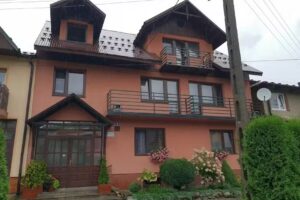
Unfortunately, enthusiasm for the location often faded upon closer inspection of the building's condition. Guest opinions are almost unanimous: the hotel has been in desperate need of a complete renovation for years. Many reviews reiterate complaints about outdated furnishings, worn-out furniture, and old bathrooms. Guests have cited issues such as patched bedding and even more serious issues, including leaking toilets. In one case, an attempt to change rooms resulted in being offered a room with a moldy ceiling, perfectly illustrating the scale of the problems this property faced.
It's worth noting that there was a distinction between standard rooms and those with a higher standard, the so-called "de luxe" rooms. The latter were rated slightly better – guests had access to a kettle, coffee, and tea. However, standard habitaciones were widely discouraged due to the poor condition of the bathrooms and poor lighting. The lack of air conditioning was another serious drawback, particularly noticeable on hot days. This forced guests to open their windows, exposing them to outside noise, especially when accommodating noisy tour groups. This state of repair made the Hotel Demel resemble a lower-class hostal or albergue rather than a property aspiring to the title of a solid three-star hotel.
Service: The brightest point of the Demel Hotel
In contrast to the building's dire condition was its greatest asset – the staff. It was the staff, especially the front desk staff, who saved the hotel's image and ensured that many guests, despite everything, left with positive memories. Reviews often quote phrases like "amazing girls," "professional," "charming," "smiling," and "helpful." Many guests emphasized that the fantastic service compensated for any material shortcomings. One reviewer even stated that the hotel deserved two stars, but the service was on par with a five-star resort , prompting him to ultimately award a three-star rating. This demonstrates the crucial importance of the human factor in the hotel industry. The staff also maintained cleanliness to the extent possible, and disinfectants were readily available throughout the facility.
Services and amenities
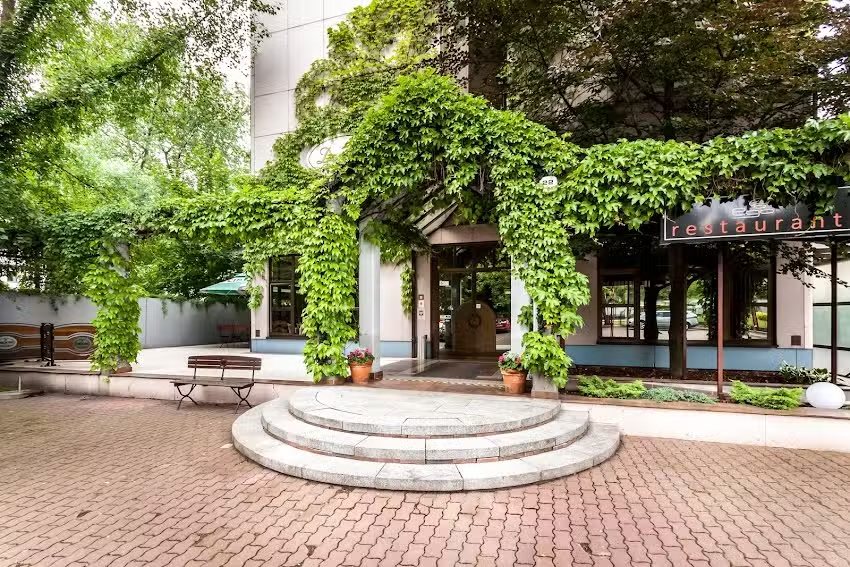
Beyond the hospedaje itself, Hotel Demel offered several additional services. Guests generally praised the breakfast, describing it as good and filling. It was served buffet-style, allowing for a wide range of choices. However, some complained that the menu was monotonous and the same every day, and that there was no coffee – only tea was available. The hotel also had conference facilities and a restaurant, suggesting an attempt to attract business travelers. Free Wi-Fi was available throughout the hotel.
Who was this hotel for?
The Demel Hotel, with its unique character, catered to a specific clientele. Its low price combined with a convenient location attracted budget-conscious travelers who didn't prioritize high-end finishes. It was a popular choice for:
- Tour groups, especially school children.
- Tourists looking for economical accommodation in a convenient starting point.
- Business travelers who just needed a place to sleep.
It certainly wasn't a choice for guests expecting luxury vacation apartments , comfortable villas , or the standards of modern chain hotels . Rather, it was a kind of inn or guesthouse that had seen its best days long ago, but was still functioning thanks to the dedicated staff and its strategic location.
Summary: A memory of a place with a soul and flaws
The story of the Demel Hotel in Krakow is a tale of a facility that, despite numerous and serious material flaws, managed to win the hearts of some guests thanks to its exceptional service. It was an example of a place where the warmth and professionalism of the staff counterbalanced the decaying infrastructure. The building's final closure and demolition closes a chapter in the history of Krakow's hospitality industry. For some, it will remain a memory of a place to be avoided, for others, proof that even in imperfect conditions, it is the people who create the atmosphere and determine the final impression. Its history serves as a warning to hotel owners about the importance of regular investment, but also a lesson that the heart of every hotel will always be its staff.