Czorsztyn Tourist Settlement
BackThe Czorsztyn Tourist Settlement, located on the picturesque Stylchyn Peninsula, is one of the most intriguing landmarks on the Polish tourism map. It's not your typical resort; it's a place with a dual identity, evoking extreme emotions – from admiration for its unique historical concept to sadness and disappointment at its current state. It was created as a rescue project, aiming to save the most valuable wooden architectural monuments from areas flooded by the waters of Lake Czorsztyn. Today, its future seems as uncertain as the waters of the lake itself.
Idea and Reality: Two Faces of the Settlement
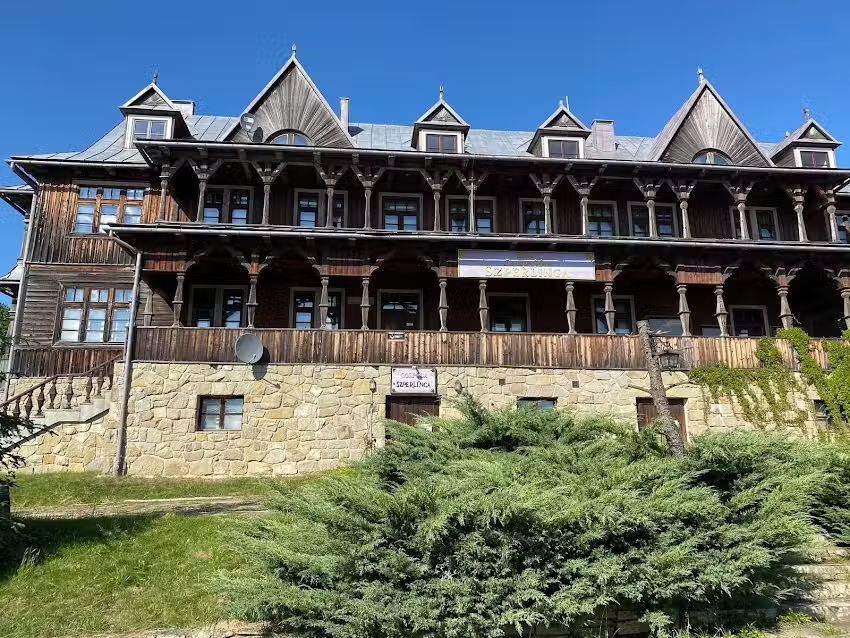
The concept of the Czorsztyn Tourist Settlement was noble and ambitious. In the 1990s, due to the construction of the Niedzica Dam, the decision was made to relocate dozens of historic buildings dating back to the 19th and early 20th centuries from the flooded villages of Maniowy, Kluszkowce, and Czorsztyn. Nine historic wooden guesthouses and villas , 11 rural cottages, and 11 unique stone cellars were reconstructed on an area of nearly 17 hectares. This resulted in the creation of a living open-air museum, intended to serve a dual purpose: museum and tourist accommodation, offering hospedajes in authentic, historical settings. Among the relocated gems were Leopold Szperling's villa, formerly the "Pieniny Restaurant," the villa of the teacher and musician Teofil Sanok, and the Drohojowski Manor.
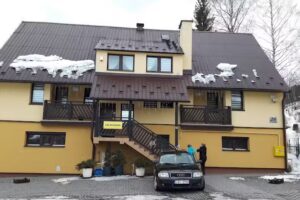
Unfortunately, visitor reviews in recent years paint a picture far removed from the original vision. Many guests describe with heartache the ongoing process of deterioration of the historic structure. Some argue that the site's potential is being wasted, and that the historic cabañas (cottages) and villas , instead of being meticulously restored, are falling into ruin. The contrast is even more striking given the dynamic development of modern hotels and holiday apartments around the historic complex, which some believe are spoiling the settlement's unique, mysterious atmosphere. This dissonance between the old, neglected buildings and the new developments is one of the most frequently raised criticisms.
What does the Czorsztyn Tourist Settlement offer?
Despite the controversy, the Osada still operates as a lodging facility. It offers accommodations in some of the historic villas that have been adapted for tourists. Both individual habitaciones (rooms) and larger apartments are available. For example, the Józef Galota Villa, which served as a health center after the war, now houses eight guest rooms. Similarly, parts of the Szperling and Sanok villas have been converted into lodgings. It's the opportunity to spend the night in a building with over a century of history that attracts visitors.
It's worth emphasizing, however, that the standard and character of this place differ from those of a modern resort . It's more of an option for tourists who value history, atmosphere, and authenticity, and are willing to overlook some inconveniences resulting from the age and state of preservation of the buildings. This place could be compared to a historic posada or hostería , where the spirit of the past is more important than luxurious amenities.
Advantages – Undeniable Charm and Potential
- Unique history and atmosphere: The opportunity to stay overnight in authentic 19th-century villas, relocated from the lakebed, is a one-of-a-kind experience. This place is of immense value to history and architecture enthusiasts.
- Picturesque location: The location on the Stylchyn peninsula guarantees beautiful views of Lake Czorsztyńskie, the castles in Niedzica and Czorsztyn and the surrounding mountain ranges – Pieniny and Gorce.
- A sense of seclusion: Despite the proximity of new developments, the historic part of the settlement still retains a certain degree of "magic" and mystery, which is appreciated by those seeking respite from the hustle and bustle.
Disadvantages – Neglect and an Uncertain Future
- The poor technical condition of some buildings: The most serious complaint, confirmed by numerous reviews. Many buildings are closed and in visible disrepair, creating a depressing impression and raising concerns about their future. Some sources even refer to them as a "ghost town."
- Contrast with modern development: The immediate vicinity of new apartment buildings and holiday homes deprives the place of its historical coherence and authenticity.
- Lack of full accessibility: Guests express regret that not all historic houses are accessible to visitors, which limits the cognitive value of the open-air museum and, as they suggest, could generate funds for their maintenance.
- Conflict between the owner and the heritage conservation officer: Since 2019, when the settlement was purchased by a private company, disputes have arisen regarding the renovation and adaptation of the buildings. This legal impasse unfortunately contributes to the further deterioration of the monuments.
Who Is This Place For?
When choosing a hospedaje in the Czorsztyn Tourist Settlement, potential clients must be aware of its unique features. This isn't a gleaming, modern holiday resort . It's for the discerning traveler who wants to experience history and is willing to accept the fact that they're experiencing a monument that has seen its best days but is still struggling to survive. It's an ideal destination for photographers, regional history buffs, and those seeking unique experiences and a unique atmosphere that's hard to find in standard hotels . It can also function as a unique albergue (lodge) for hikers exploring the Pieniny Mountains.
Those expecting high standards, modern amenities, and impeccably maintained surroundings may be disappointed. It's crucial to thoroughly verify the villa in which the room is offered and its current condition before booking. The Czorsztyn Tourist Settlement is a place full of contradictions – on the one hand, a fascinating time capsule, on the other, a sad example of wasted potential. Choosing this place for accommodation is a decision that requires considering what is more important to you: an authentic historical experience or the comfort of a modern vacation.